FeedBack

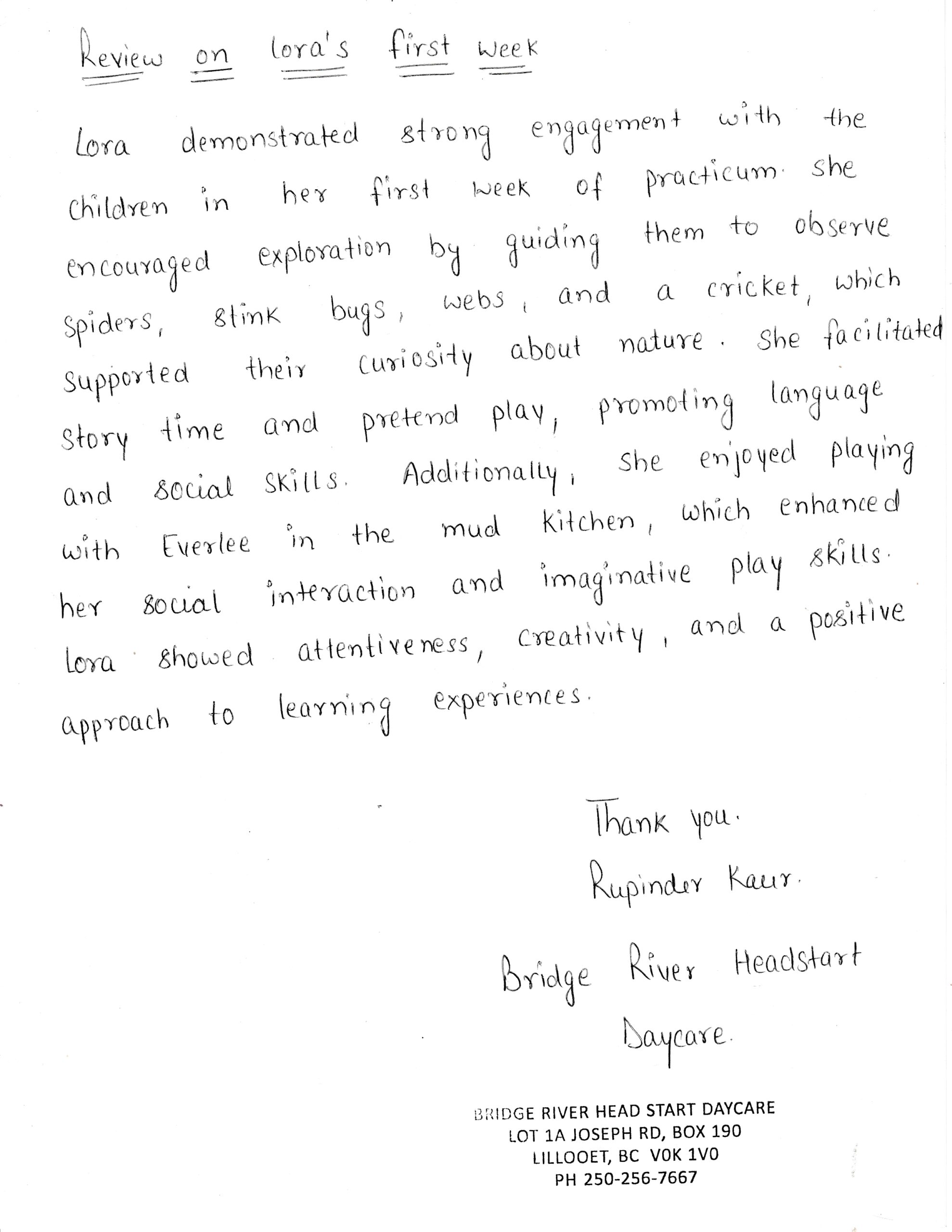
Receiving feedback from my mentor during my practicum was both encouraging and meaningful. In my first week back, I demonstrated strong enjoyment and engagement with the children, which reminded me how important genuine connection is in early learning environments. I supported children’s curiosity about nature by guiding them as they explored spiders, stink bugs, and webs. These moments allowed the children to observe closely, and develop a deeper appreciation for the natural world.

Overall, my mentor recognized my attentiveness, creativity, and positive approach to learning experiences. This feedback reassured me that I am building strong relationships with the children and creating meaningful learning opportunities. As I continue my journey in Early Childhood Education, I look forward to growing my skills while remaining curious, reflective, and child-centered in my practice.

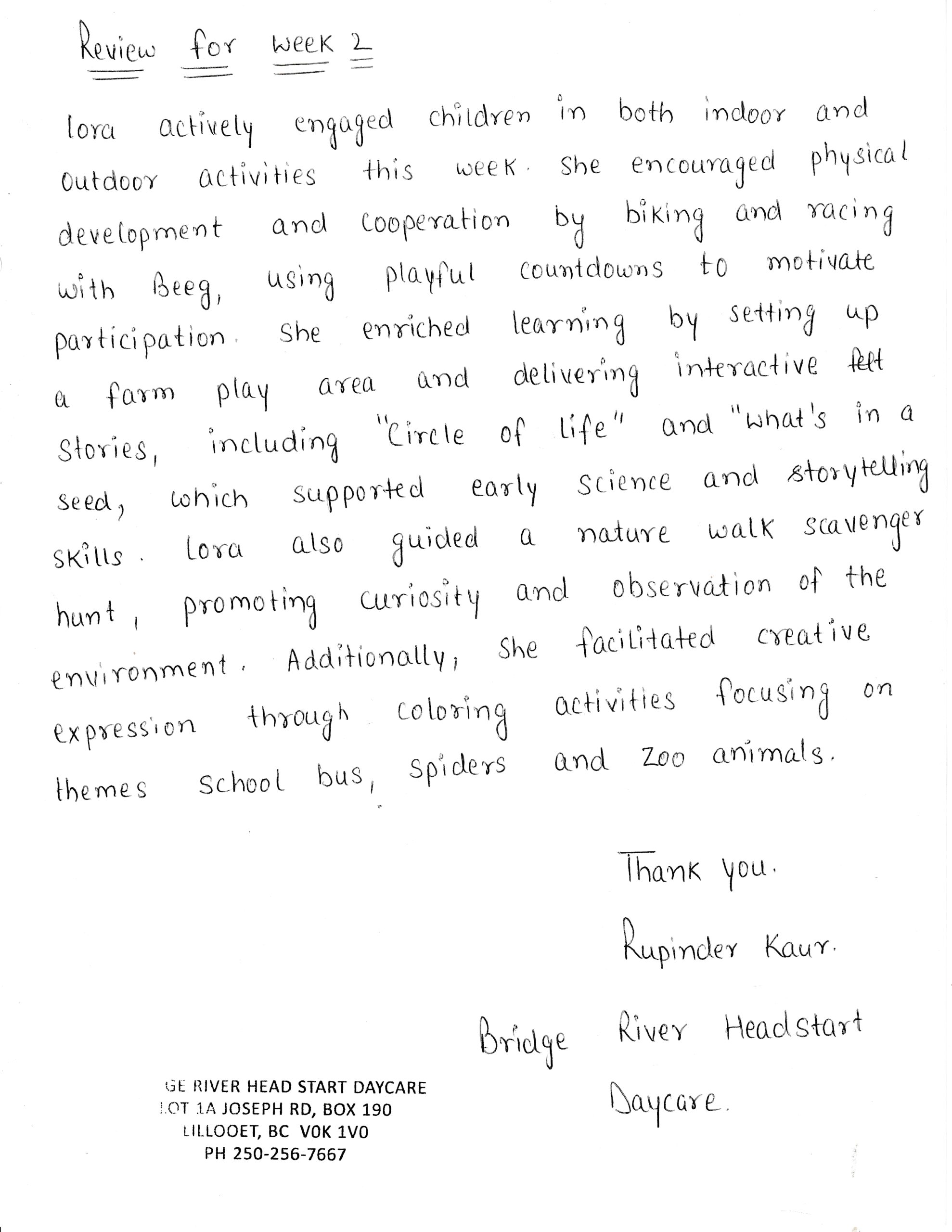
During Week 2 of my practicum, I actively engaged the children in a variety of indoor and outdoor learning experiences. Outdoors, by biking and racing alongside B. Using playful countdowns helped motivate participation while supporting turn-taking, confidence, and gross motor skills in a fun and engaging way.

Indoors, I facilitating interactive felt stories, including Circle of Life and What’s in a Seed. These activities supported in early storytelling, and language development while inviting the children to participate, ask questions, and make connections. I also guided a nature walk scavenger hunt, which promoted curiosity, observation, and a growing awareness of the environment.

In addition, I supported creative expression through coloring activities to explore their interests while developing fine motor skills and self-expression. Overall, this week strengthened my confidence in planning engaging, play-based activities that support children’s development across multiple learning areas.
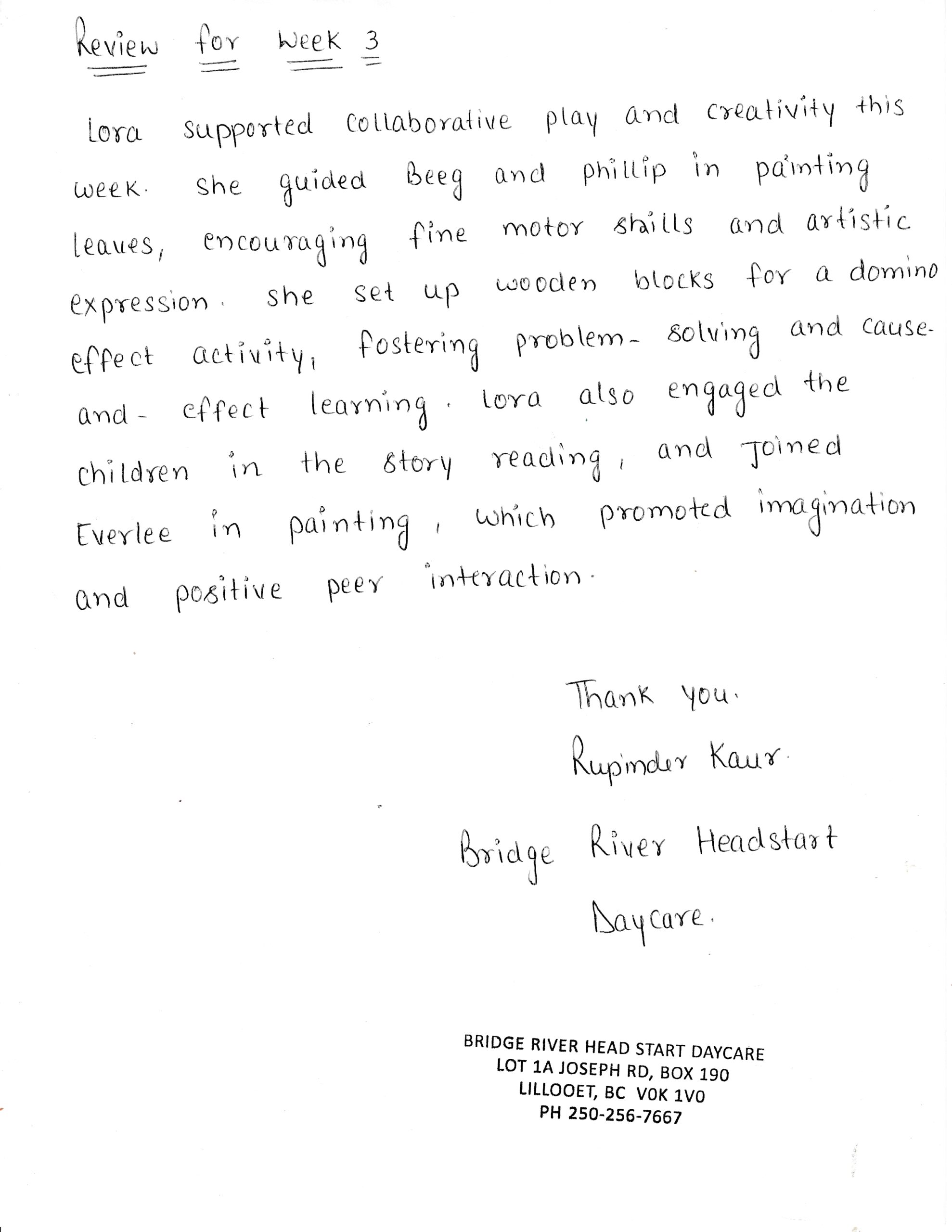
During Week 3 of my practicum, I supported collaborative play and creativity through a variety of hands-on learning experiences. Encouraging fine motor development, sensory exploration, and artistic expression in these activity also created opportunities for shared conversation and cooperation as the children worked alongside one another.

I set up a wooden block activity focused on creating a domino effect, which fostered problem-solving skills and an understanding of cause and effect. The children demonstrated curiosity and persistence as they experimented with placement and movement.

Overall, Week 3 highlighted the importance of learning through play, collaboration, and responsive interactions, strengthening my confidence as an Early Childhood Education student
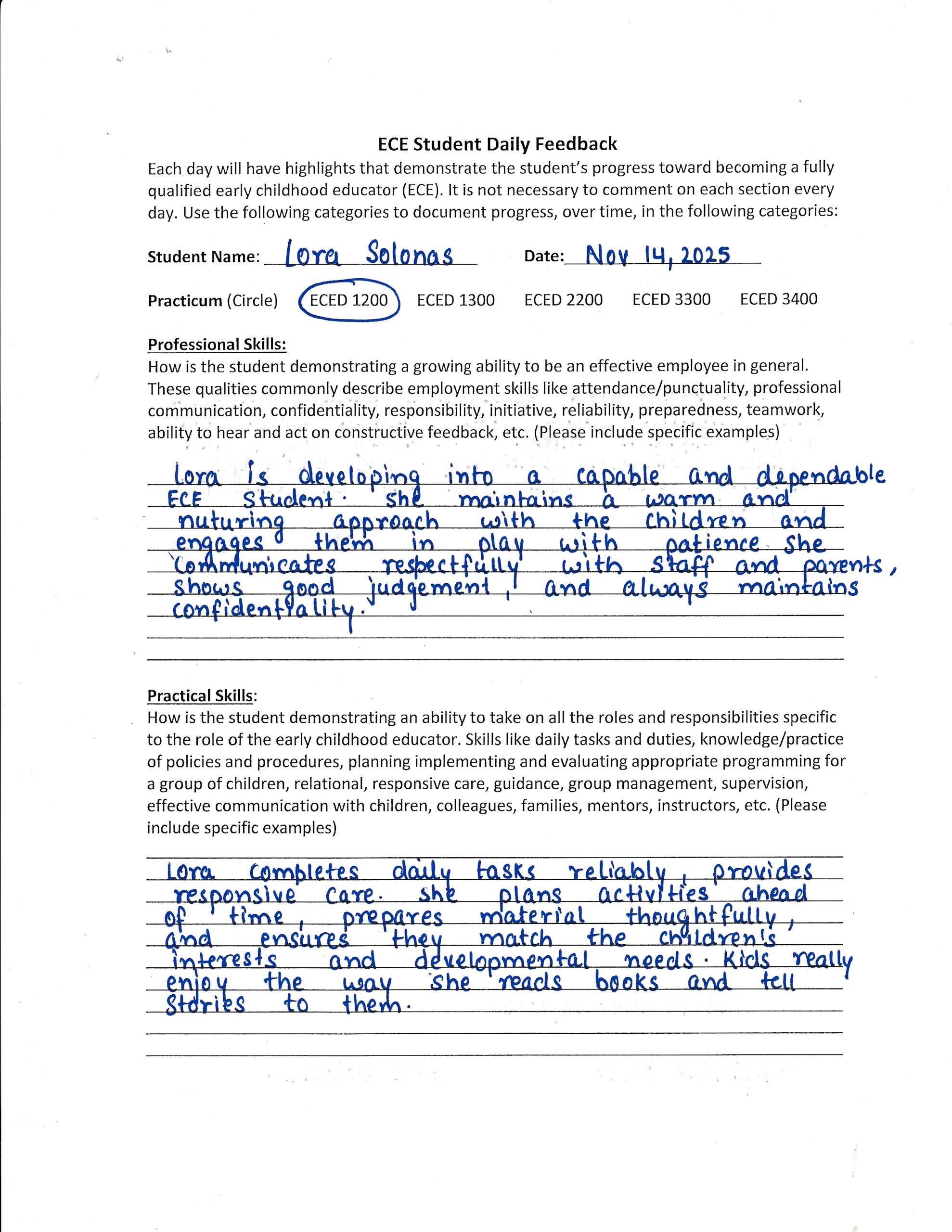
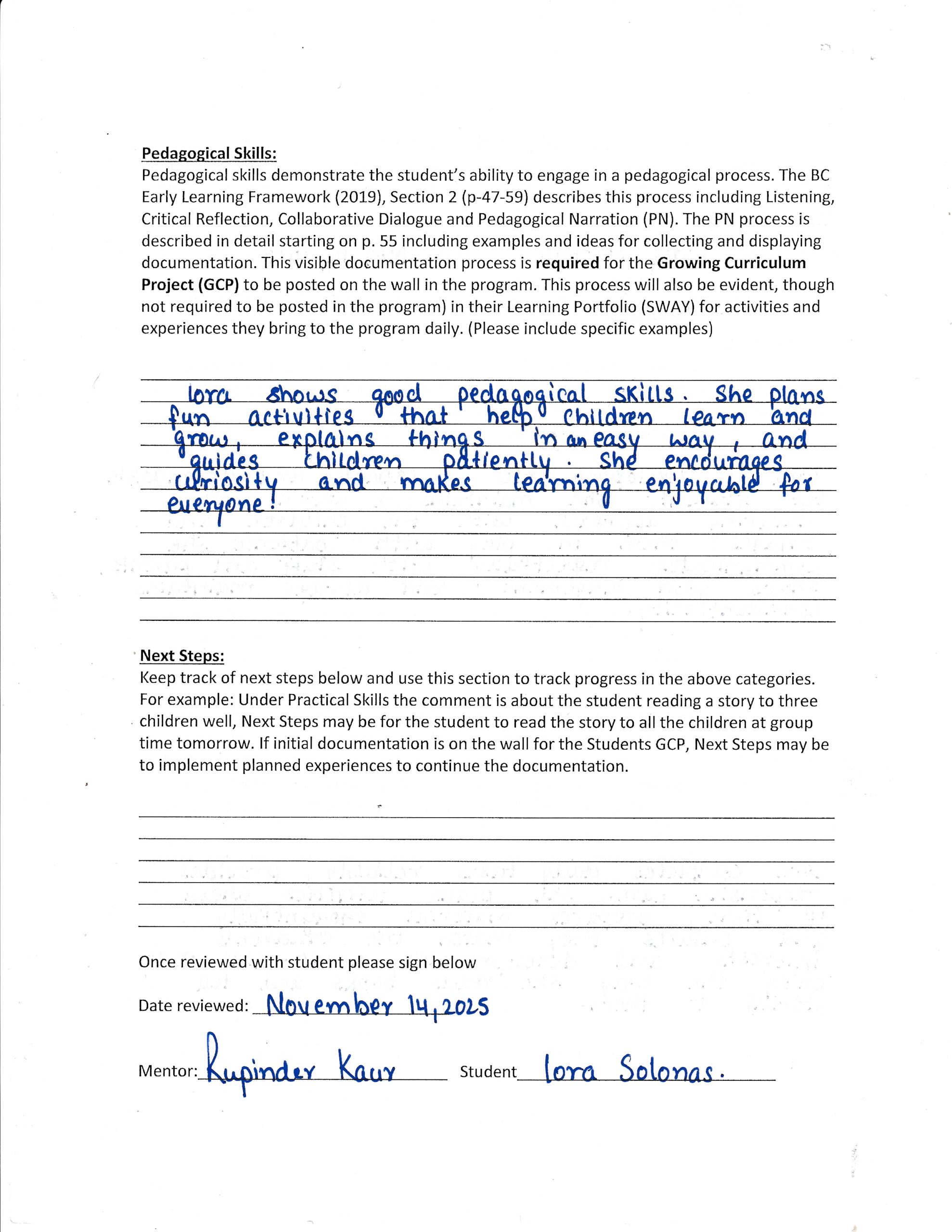
Rupinder’s feedback affirmed my growth as a capable and dependable ECE student. Being recognized for my warm nurturing approach, trusting relationship and creating a safe environment where the children feel comfortable to explore and play. Planning activities ahead of time and preparing materials thoughtfully has helped me create meaningful experience that align with children’s interests and developmental needs. I was grateful to hear that children enjoy the way i read books and tell stories. Rupinder also recognized my developing pedagogical skills, noting that i plan fun and engaging activities that support learning while guiding children patiently. This feedback reflects the importance of being present, thoughtful, and responsive in daily interactions. As I continue to grow as an Early Childhood Education student, I will carry these strengths forward while remaining reflective and open to learning, always keeping children’s well-being and development at the center of my practice.
November 24,2025

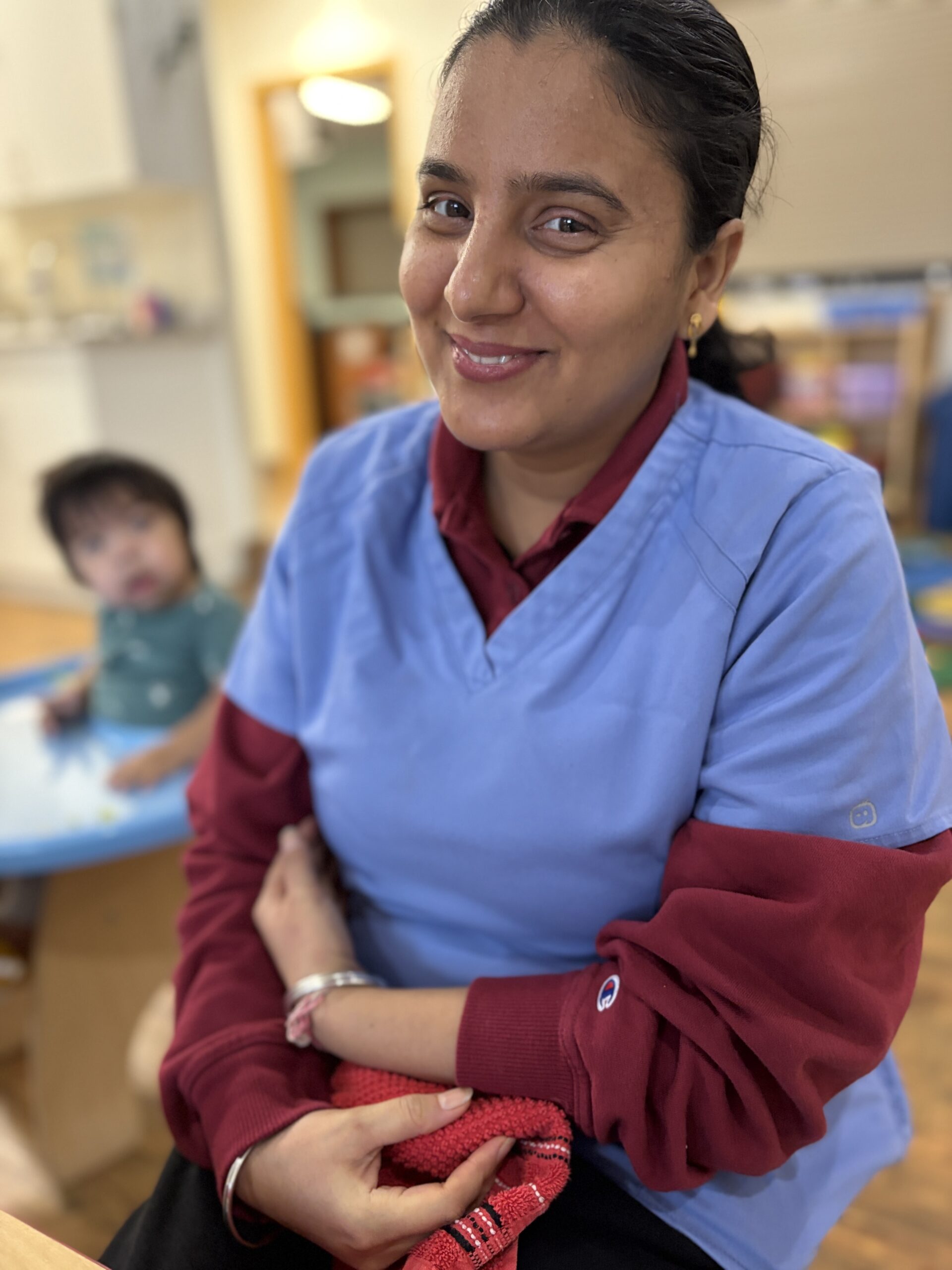
Rupinder has been such an inspiring mentor throughout my practicum. Her gentle voice and calm presence create a sense of safety and belonging for both the children and us students. She shows deep patience in every moment, taking time to observe, listen, and guide without ever rushing the process. Coming from India, it’s beautiful to see how genuinely interested she is in learning about First Nations culture and the community around her. Rupinder reminds us that learning is always shared—she supports us as students while also being open to growing alongside us. Her caring nature and thoughtful approach have made a lasting impact on my learning journey.


November 28, 2025

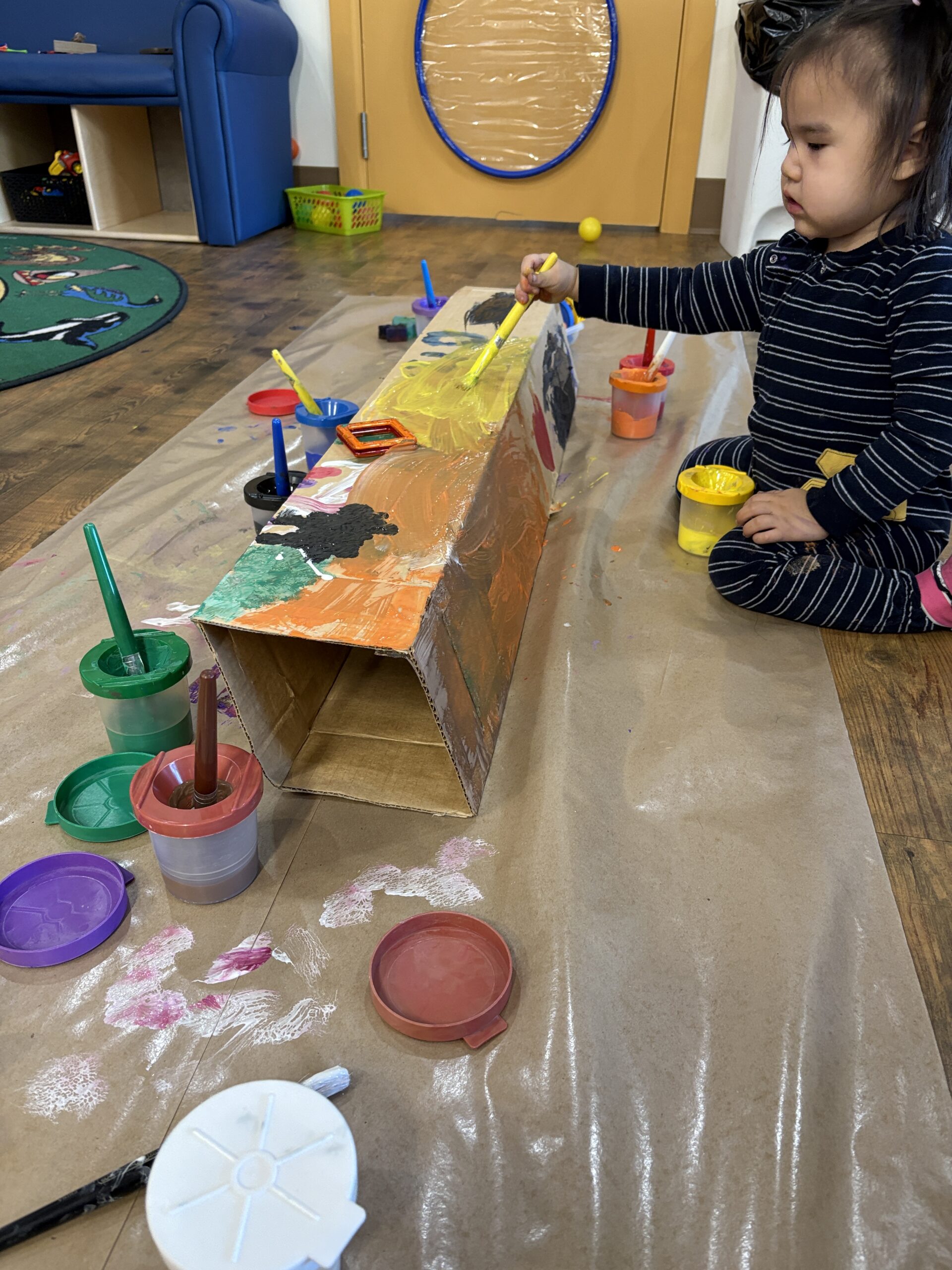
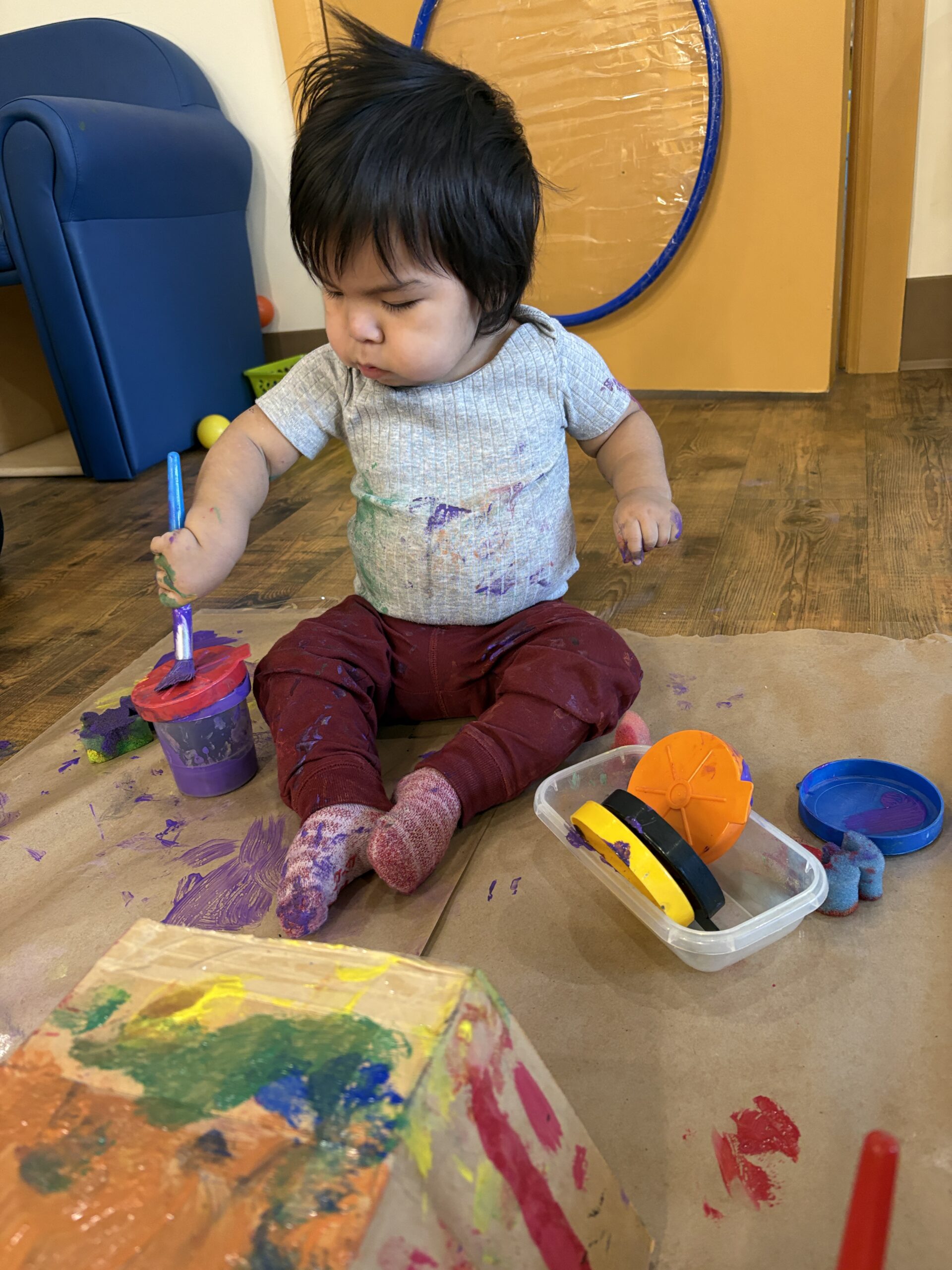
On this day, the children- B & E gathered around a long rectangular box and eagerly covered it in layers of bright, swirling colours. Each brushstroke showed their creativity—splashes of blue, streaks of red, dabs of yellow, and soft blends of greens and purples. P observed the other two before settle down beside the purple paint. After we left the box to dry, the children returned the next day with fresh excitement, seeing their artwork transformed into something new. They drove their toy cars through the painted box like a tunnel, laughing as they watched the cars “zoom” inside and pop out the other end. This simple painting activity became a rich moment of creativity, play, and exploration.


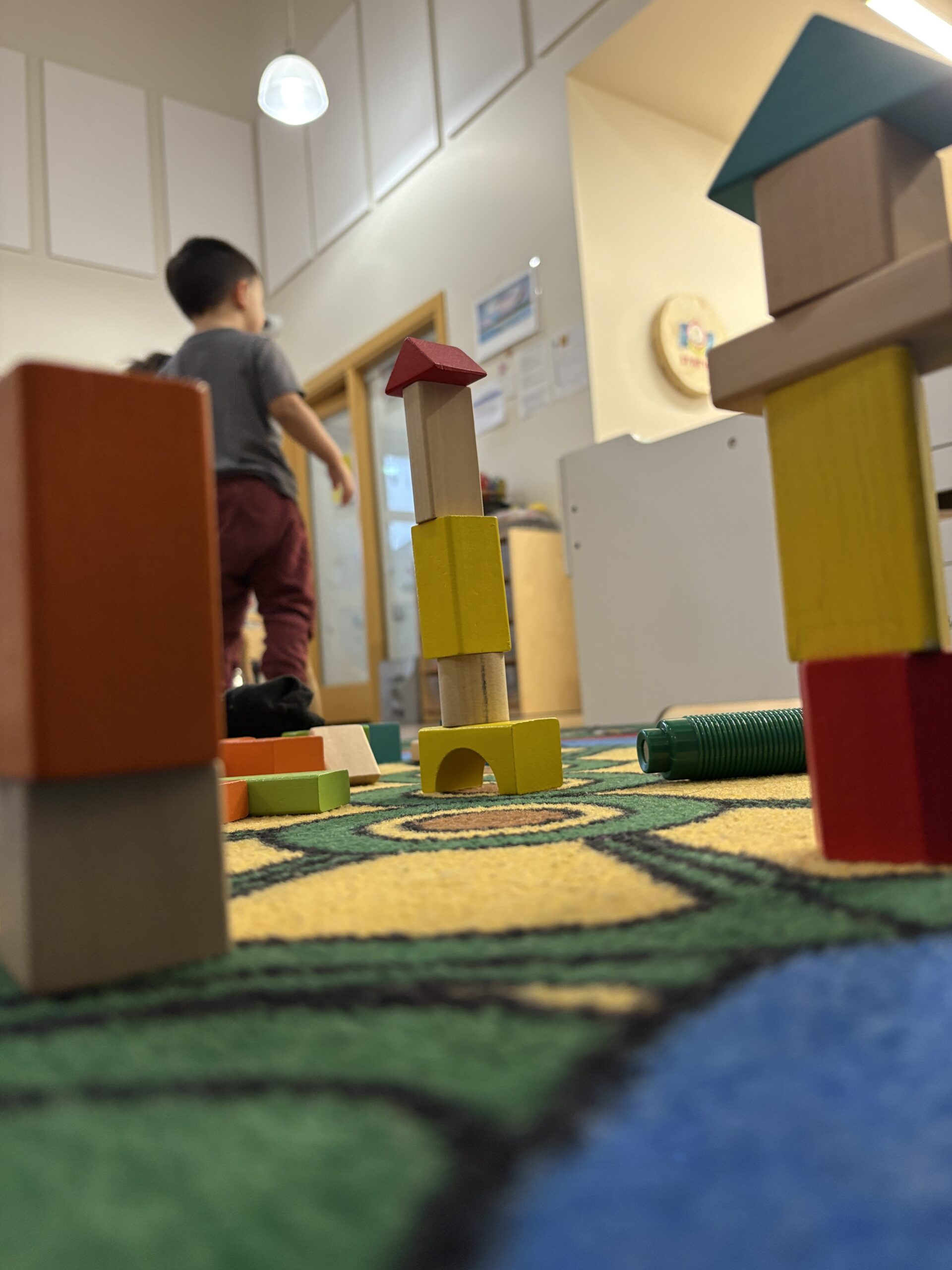
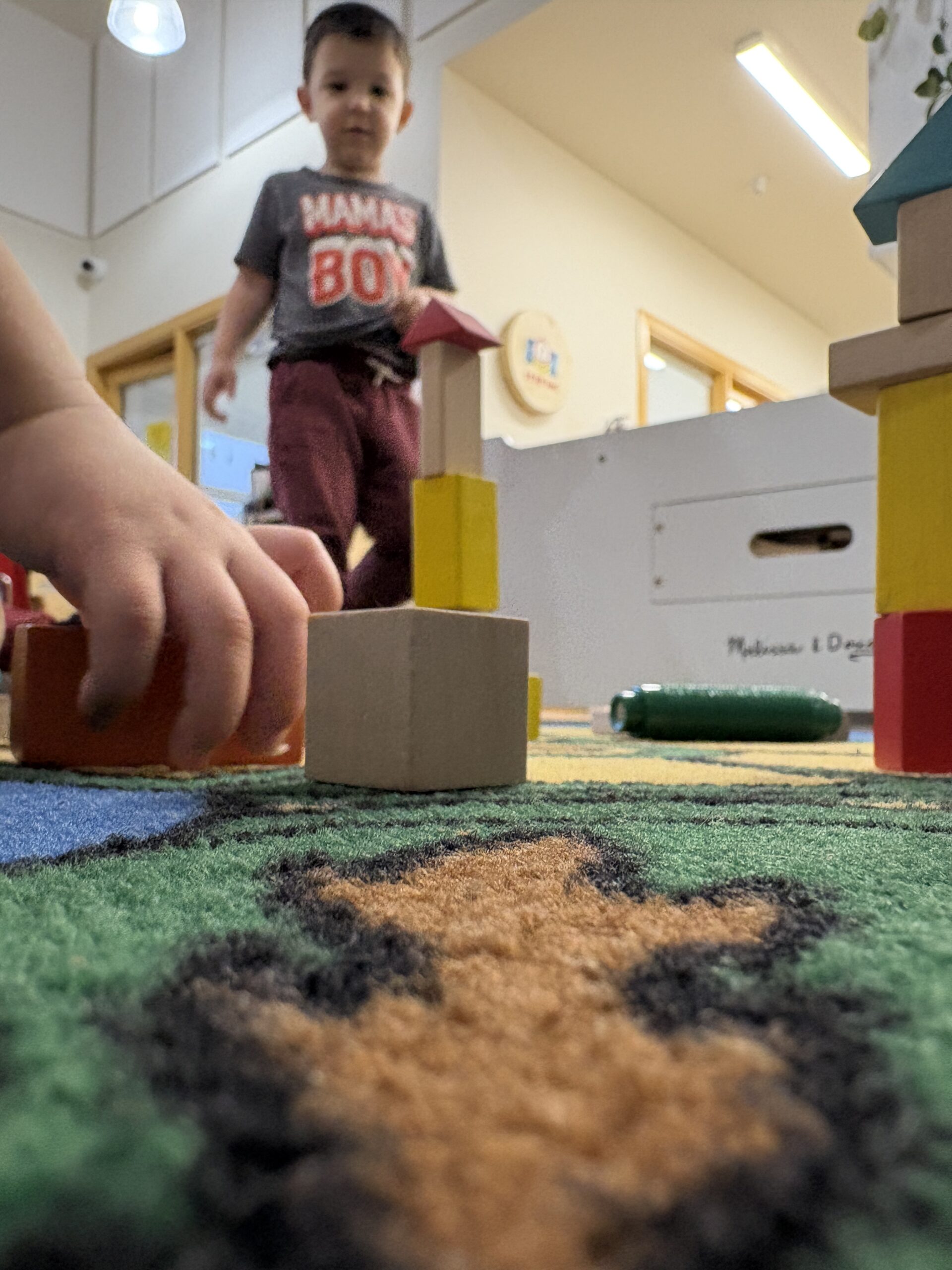
During block play B and P had a meaningful moment of learning together. B was focused on building the tallest tower he could, carefully stacking each block with pride. Meanwhile, P was full of excitement and loved watching towers fall, eagerly knocking them over to hear the crashing sounds. This created a challenge for B, who became upset and said “No” and “Mine,” trying to push P away or block him from knocking over his structure. As I supported them, B and P practiced patience, sharing, and understanding each other’s play ideas. E also joined in, asking me to help her build a tower just so she could delight in knocking it down. Through this shared experience, the children explored cooperation, problem-solving, and the joy of different play styles—all while discovering how to navigate big feelings in a busy, creative environment.

December 10, 2025

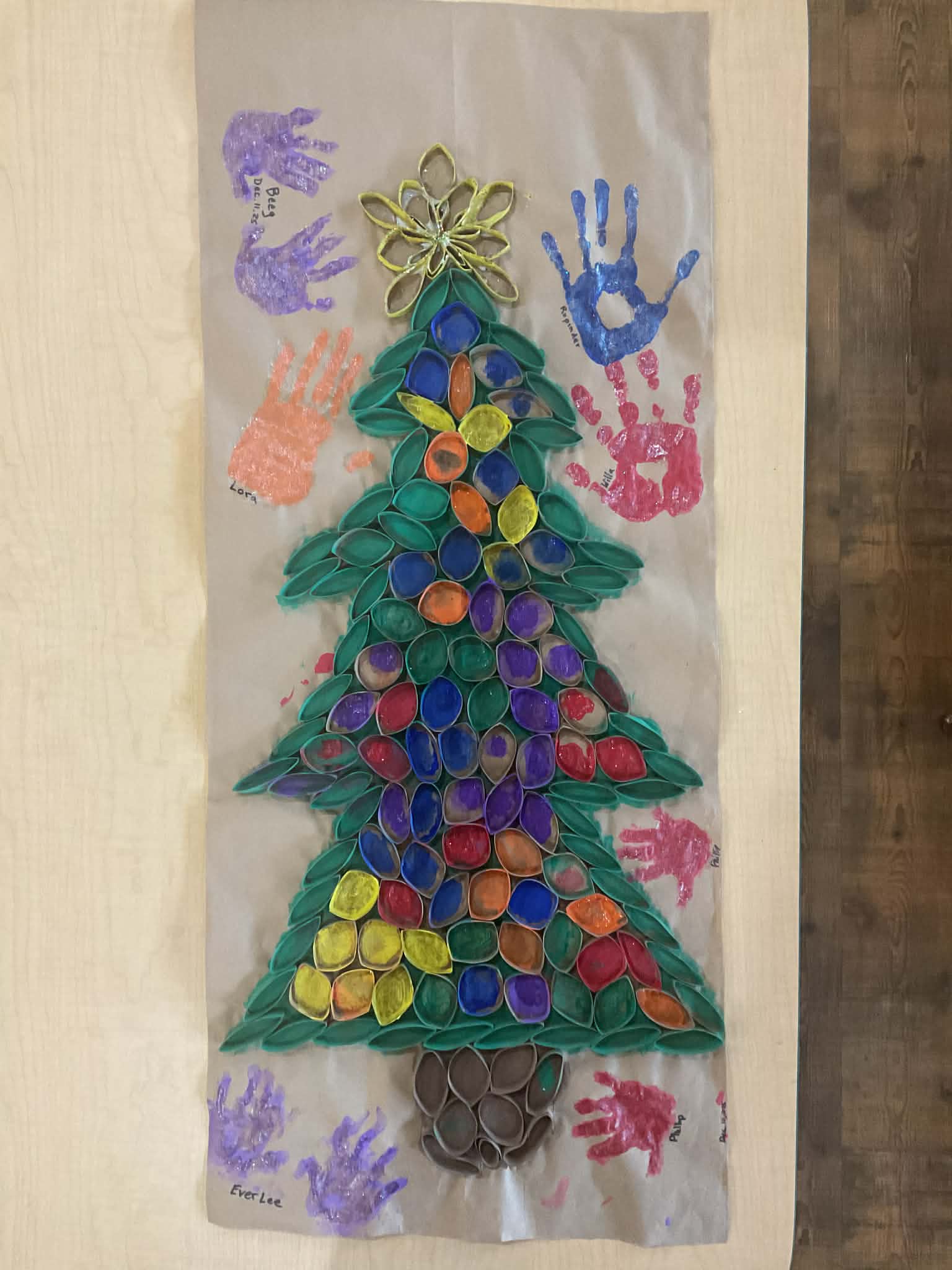
On my last day of practicum, Willa and I worked together—with Rupinder—to create a beautiful Christmas tree art piece for the children. We used craft paper and toilet paper rolls, shaping and painting them with bright Christmas colours. P and E helped paint many of the pieces, carefully choosing colours and filling each section with excitement. The next day, B proudly helped finish the tree, adding the last touches with so much focus. To make it even more meaningful, we added all of our handprints around the tree, each one a reminder of their presence, creativity, and growth. This collaborative project became a special way to celebrate the season and my final day—filled with teamwork, joy, and the warm spirit of our classroom community.

November 24,2025

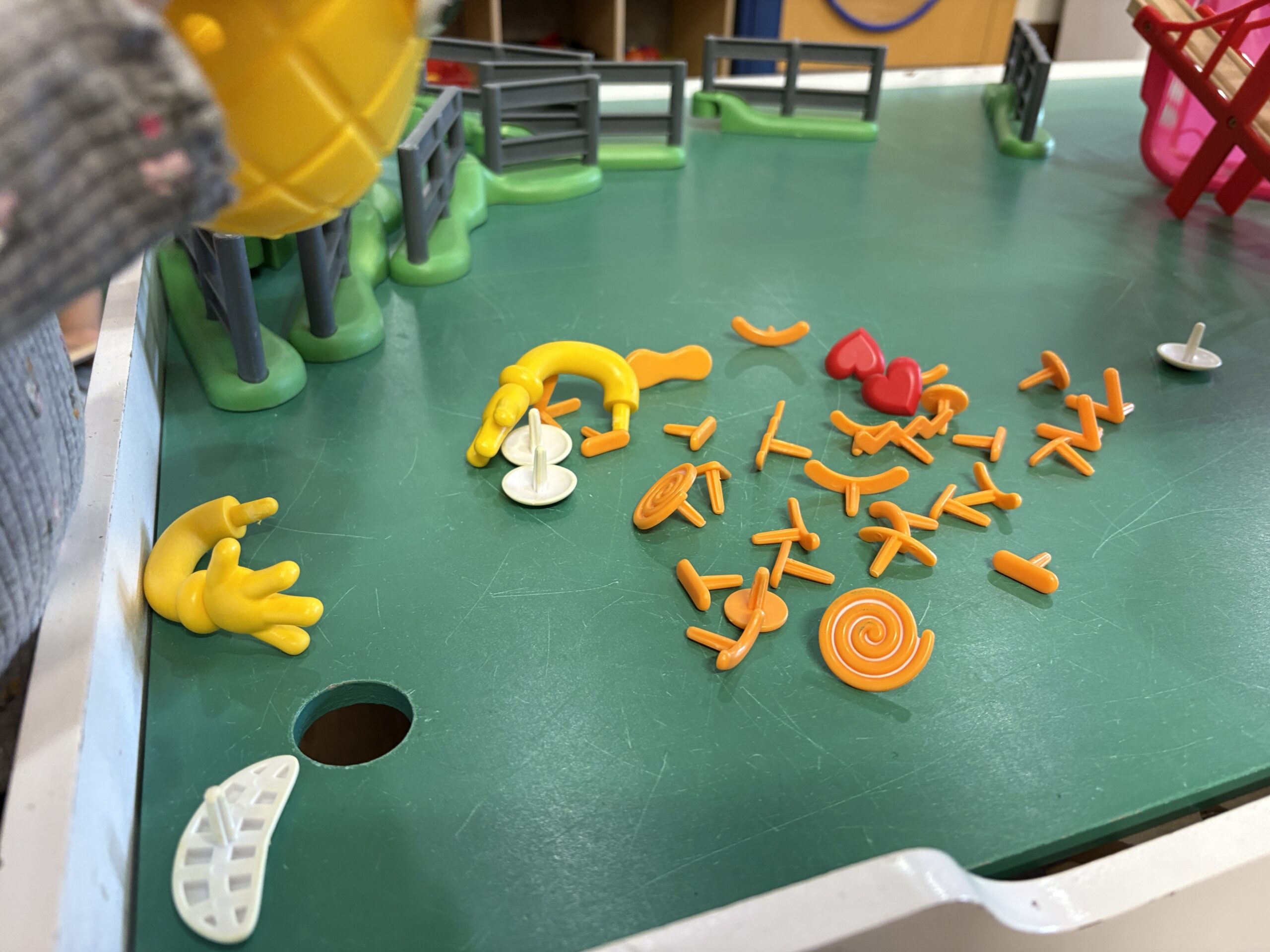
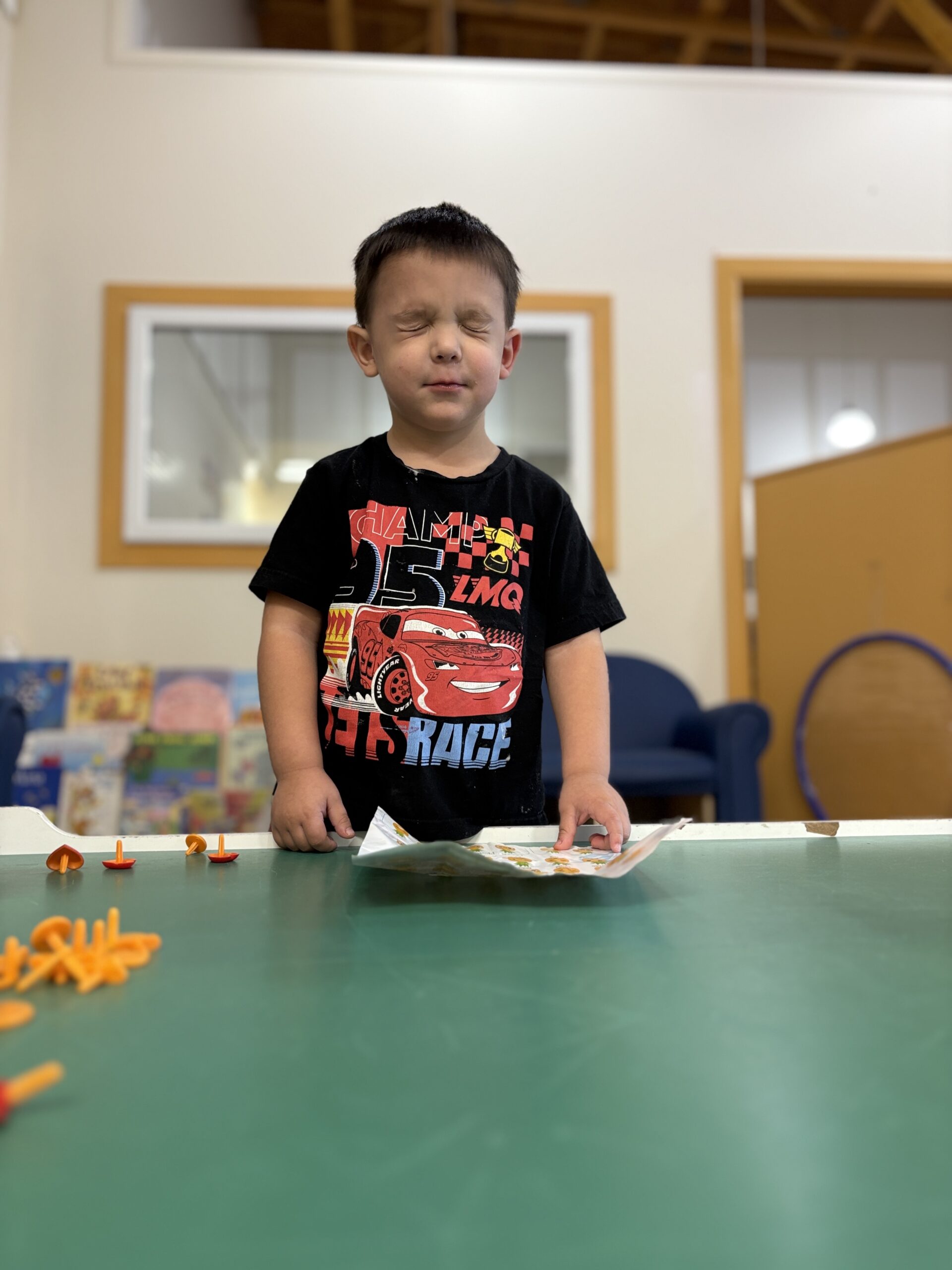
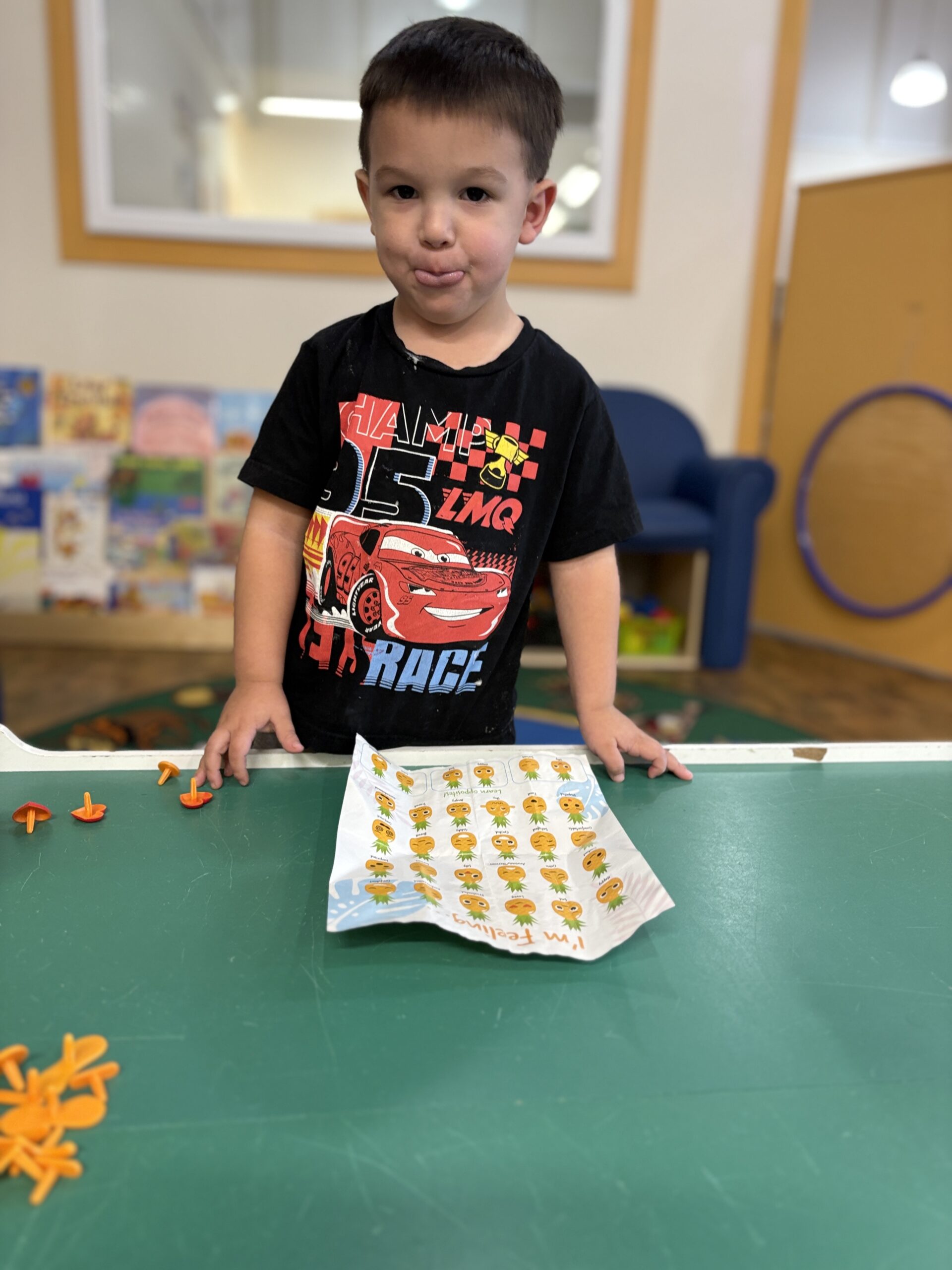
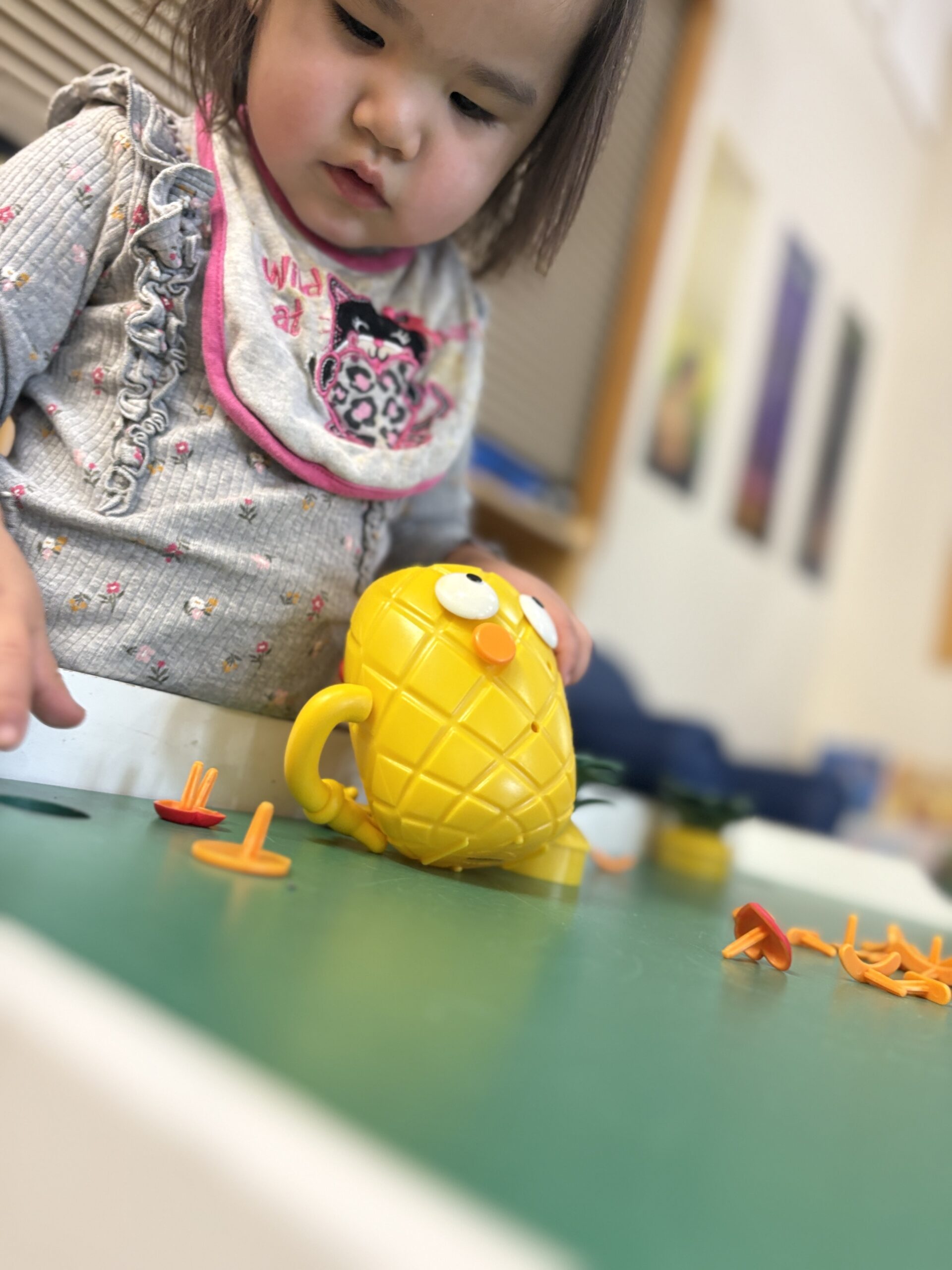
Pineapple Feelings Play with E & B

At this moment, E and B showed excitement and curiosity as they explored our “pineapple head” activity. Using different eyes, mouths, and facial pieces, the children created a variety of expressive faces—happy, silly, surprised, and more.

E thoughtfully chose each feature and showed a lot of excitement in their creations. B watched closely, then joined in with enthusiasm, proudly showing each new pineapple face. Together, they shared ideas, smiles, and laughter as they explored emotions through play.

Learning Connections – BC Early Learning Framework

E & B showed me their understanding of recognizing and naming emotions, Sharing, expressing feelings, building cooperation and empathy. They strength in their communications by using language to describe facial features, and emotions B would say happy like the H was silenced like “Appy” or call us “Papa” when he wants our attention. E & B also have expressed their creativity through symbolic play, well-being and belonging.

November 7,2025

My relationship with E has grown so much—from my second practicum to these last few weeks of my final placement. Today was the first time she came straight to me, wrapped her arms around me, leaned against me, and held my hand. It was such a gentle and genuine moment of trust. After the hug, she pointed to play with the baby toys together, inviting me into her world of play. My heart melted in awe.

This moment showed me how meaningful it is to build consistent, responsive relationships with children. E’s actions told me she feels safe, comfortable, and connected with me—something that has developed slowly over time through patience, presence, and everyday interactions. It reminded me how powerful these small, tender moments are in early childhood settings.

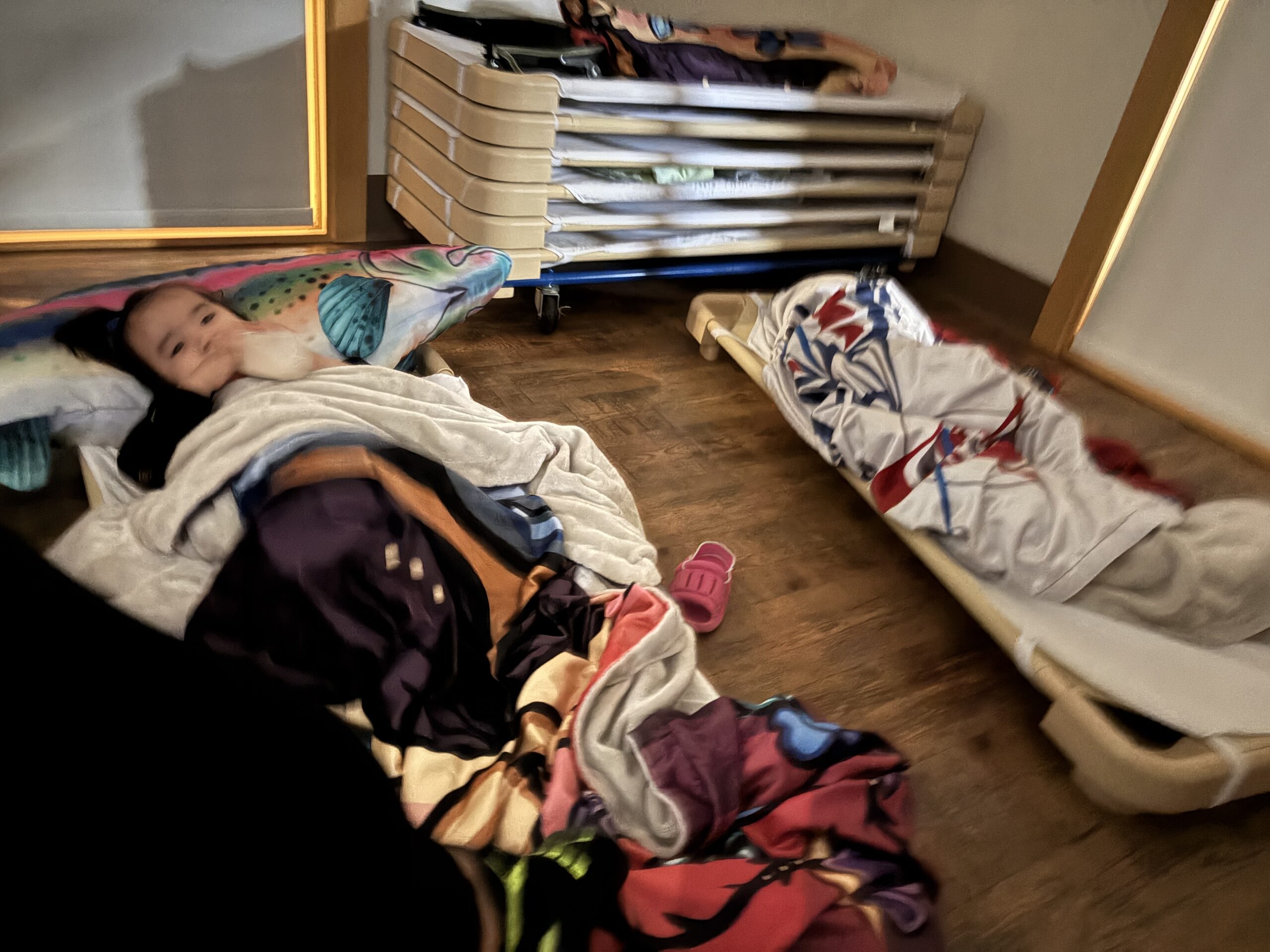
During naptime today, I had the opportunity to be the one sitting with the children while they settled in. B went under his covers right away and fell asleep quickly, showing how comfortable and secure he felt in the routine.

E, on the other hand, watched me quietly at first. She seemed curious—almost checking in to see if she could trust this change in her routine. After a few minutes, she relaxed, got comfortable, and eventually settled into her rest. It was a gentle reminder of how children look for consistency and reassurance, especially during quieter moments like nap. Being present with them helped support their sense of safety and belonging. It felt meaningful to know that the relationship we had built helped E & B feel safe enough to let go and rest.

Together, these experiences highlight how trust is built through consistency, gentle presence, and everyday interactions. Moments like these remind me why relationships are at the heart of early childhood education.

November 03,2025

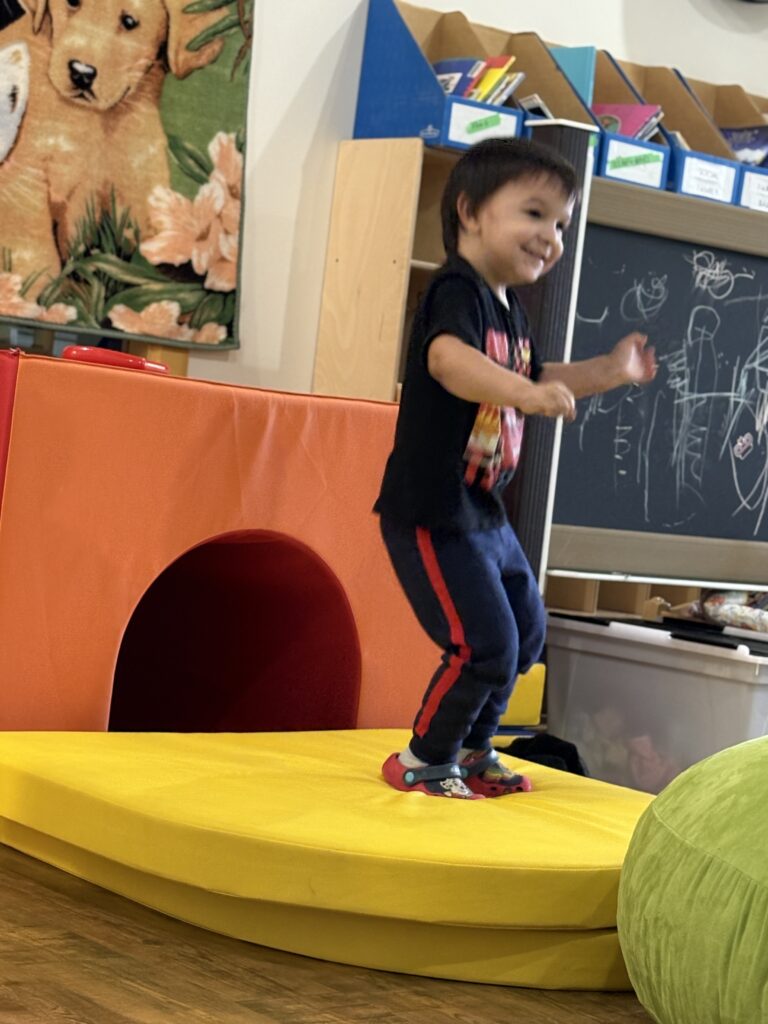
B having a really positive and joyful day. He moved around the room with so much energy—dancing, playing, and engaging with the materials in ways that showed his comfort and confidence in the space. Throughout the morning, he appeared relaxed and content, which allowed him to fully participate in the activities around him.

Watching B dance and move so freely reminded me of how important it is to provide children with opportunities for expression through their bodies. His play was spontaneous and creative, and it highlighted his strong need for movement as a way to explore, communicate, and regulate his emotions.

“Moments like these help me understand each child’s unique rhythm and how the environment can support their well-being and sense of belonging.”

Community playground

A few mins walk from the daycare is the community playground, While here B used verbal communication to express what he wanted. He repeatedly said, “Up, Ba Ba,” “Ah, up,” and “Plea up,” asking politely to go on top of the playground structure. His words showed both his growing language skills and his confidence in communicating his needs with the adults around him.

Even though B clearly wanted to climb higher, the structure was too tall for him, and we didn’t want to risk him falling. This moment reminded me of the balance between encouraging children’s exploration and ensuring their safety. B’s communication showed his desire for independence, and by responding respectfully while keeping him safe, We supported both his emotional needs and physical well-being.

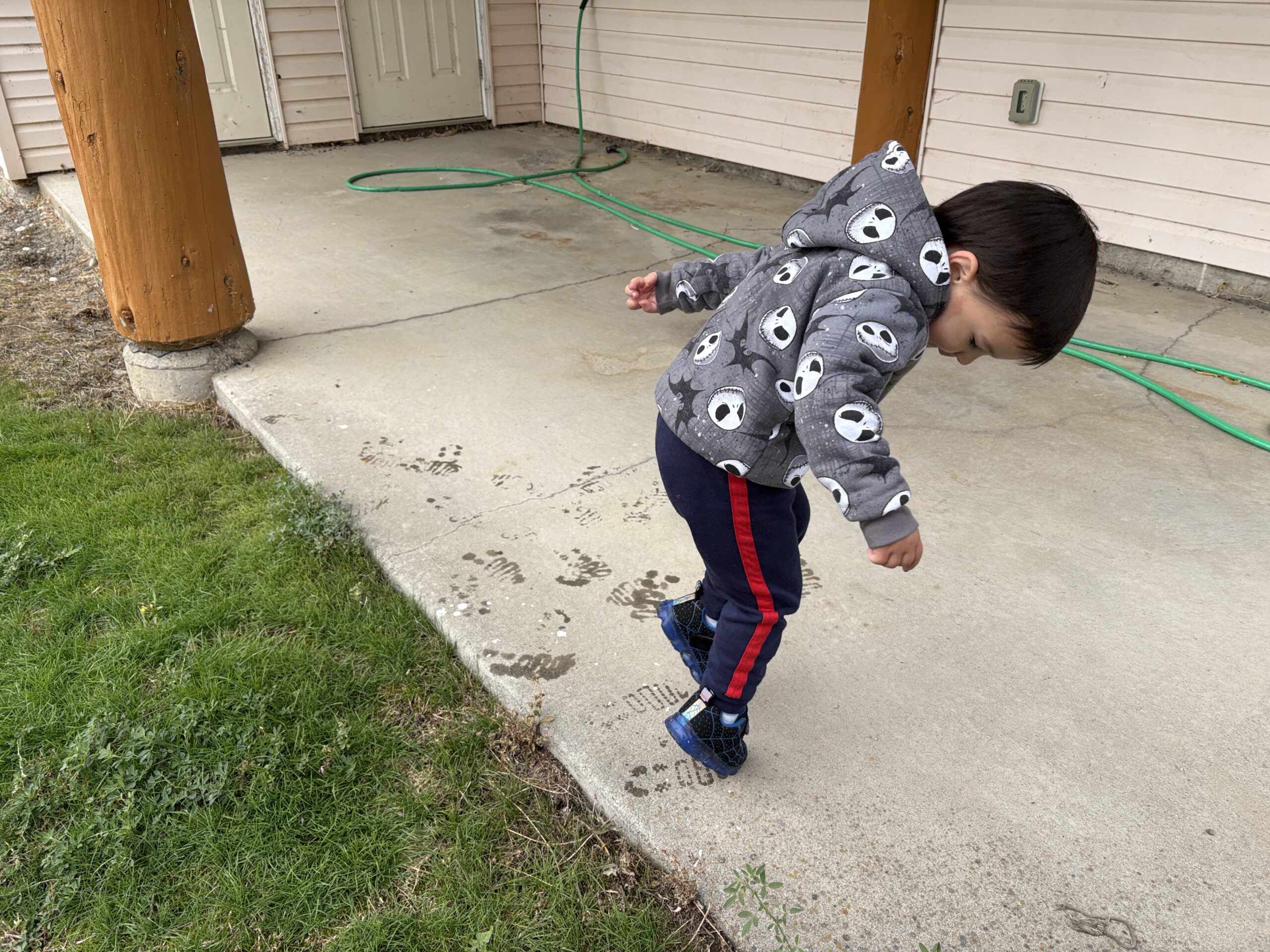
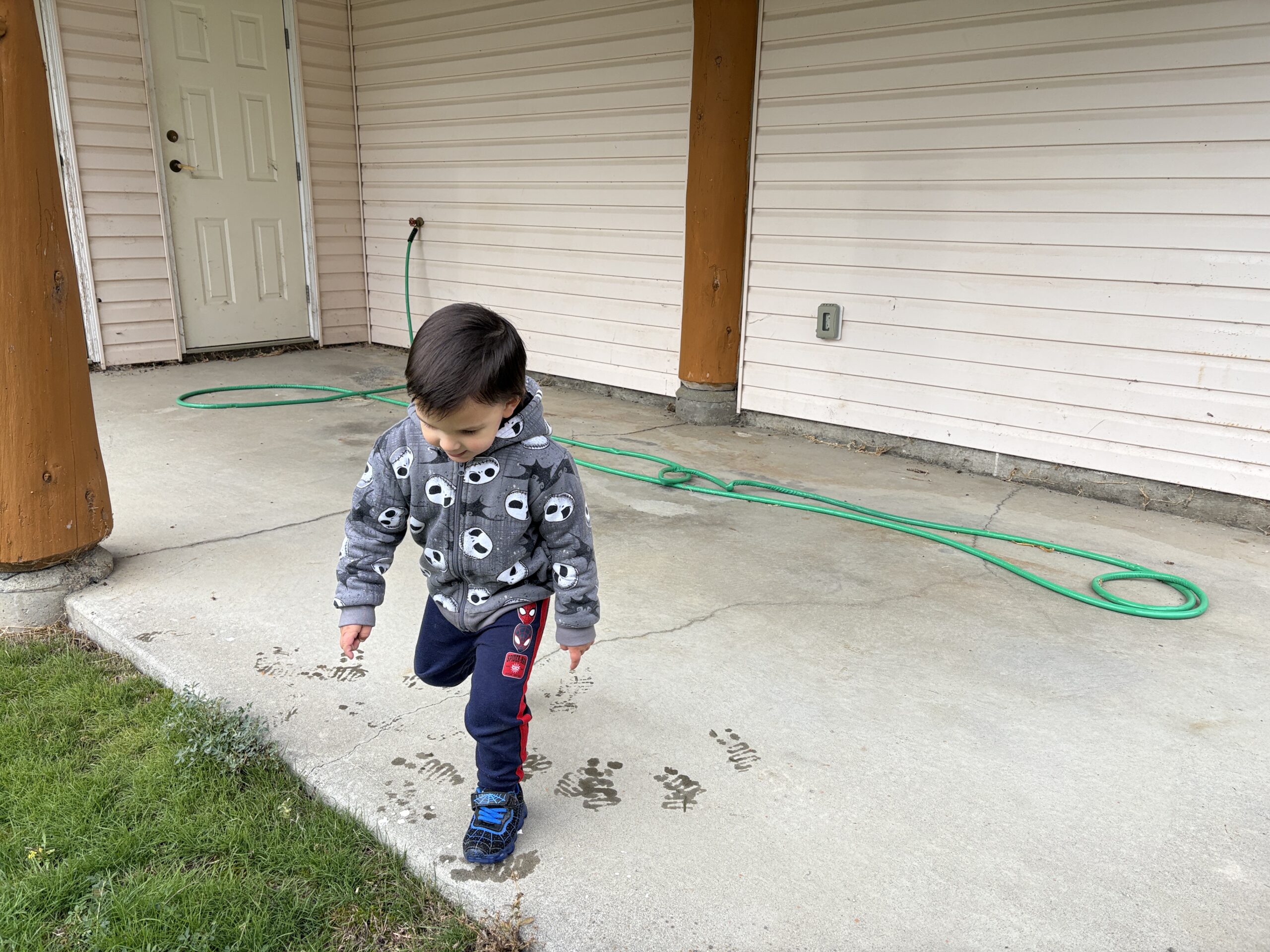
B noticed the footprints he was leaving as he walked from the wet grass onto the cement carport. He paused, looked down, and watched how each step created a new print. This small moment showed his curiosity and growing awareness of cause and effect. By observing the marks left behind, B was engaging in early scientific thinking—experimenting, noticing patterns, and making connections between his actions and the environment.


BC ELF’s pathway of “Exploration and Creativity” and the idea that children learn through exploring materials with their senses. B’s interest in his footprints shows how children build understanding through play, observation, and engaging with their surroundings. It also aligns with the framework’s focus on “Engagement with the Natural World,” as B was exploring how natural elements like water and texture can create visible changes. Moments like this highlight the importance of offering children time and space to follow their curiosities and make discoveries in their own way.

October 30, 2025

A quiet day at the daycare on Halloween day, I missed the morning where E,B, P ,Rupinder and Willa were dressed up in their costumes and trick or treat around the office. It sound like it was a lot of fun.

When I arrived to interview Rupinder with Willa, B was running back and forth across the colored cushions that were arranged in different color patterns. He had a lot of energy and excitement in his movements. From an ECE learning perspective, this showed his need for gross-motor play and active exploration. The cushions provided a safe and open-ended environment where he could test his balance, build coordination, and gain confidence in his physical abilities while also engaging in sensory play with color and texture.

Rupinder expressed she was nervous about the interview but i reassured her not to worry as its for our assignment and not a job. She smiled and nodded “Okay!’ As we took turns asking questions, the more I got to understand her more and the way the daycare is managed.